
Packing and transport
Confirm protection, lifting points, packing dimensions, loading arrangements and delivery terms in the commercial scope. This is step 05 in the protocol above.
INSPECTION & ACCEPTANCE
Turn the equipment brief into an inspection plan. Agree the trial material, measurement methods and acceptance records before placing the order. The protocol below is a discussion framework for the project file. It is not a claim that any pictured machine has already passed these checks.
WORKSHOP VIEWS / PROJECT DISCUSSION
Supplied photographs illustrate visible equipment arrangements. They do not establish a model, ownership, certified compliance or performance. Confirm the equipment and acceptance criteria in your project offer.
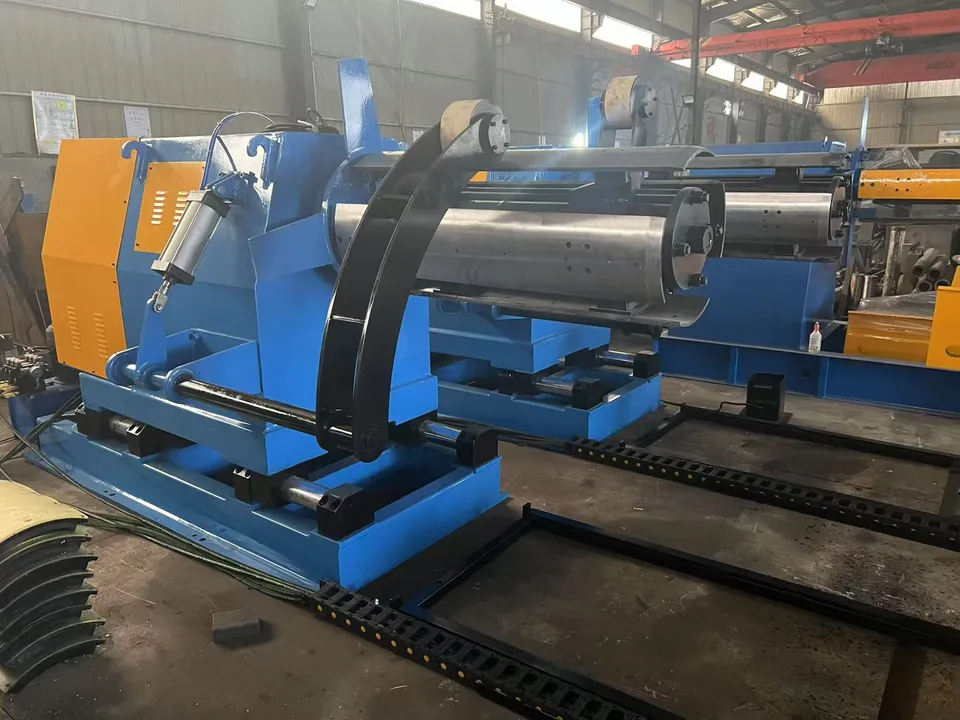
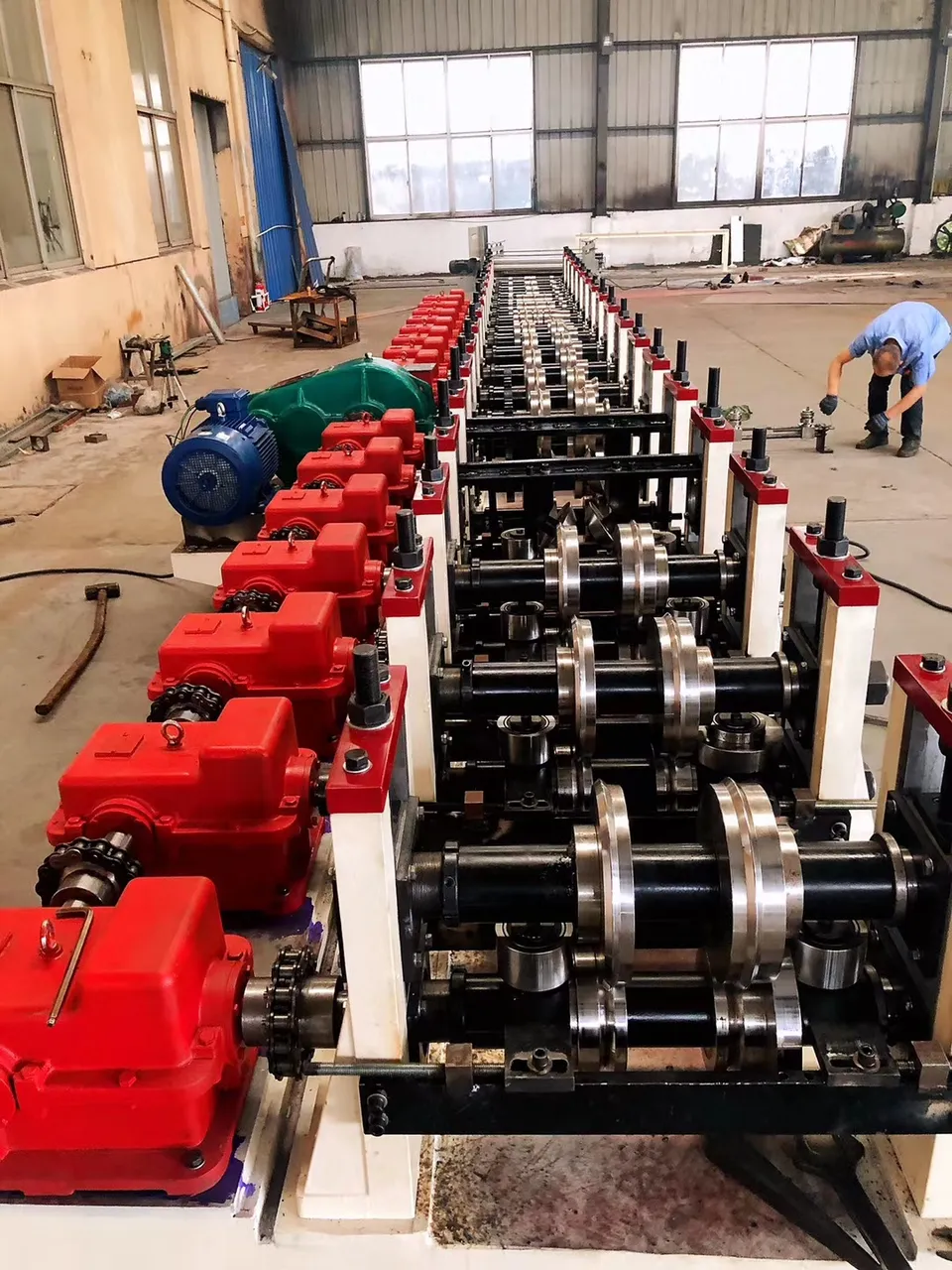
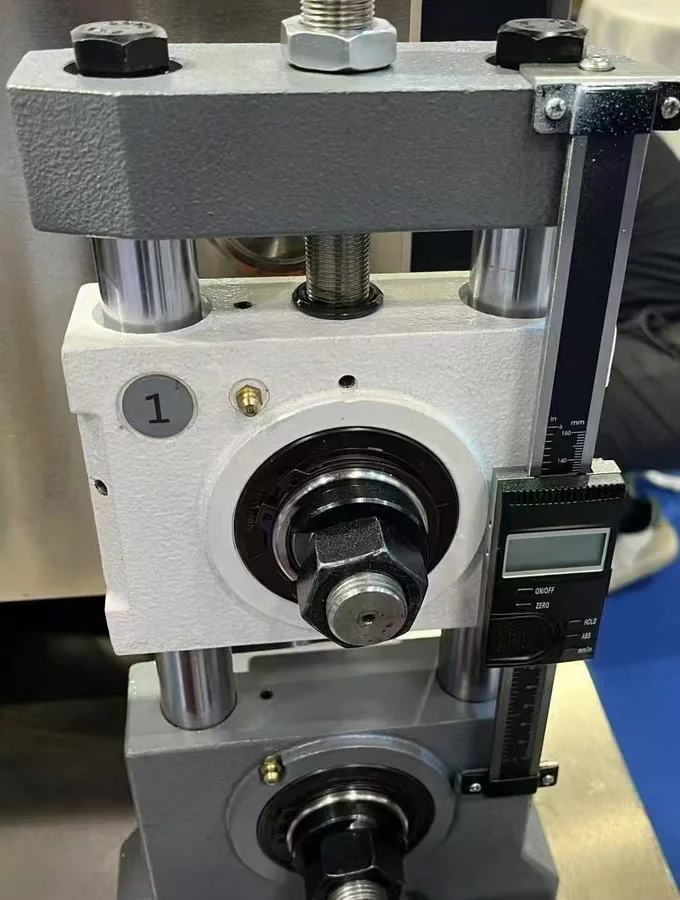
VISIBLE DETAILS. AGREED CRITERIA.
Decide which dimensions and operating conditions matter to your finished product. Put the method and acceptance limits in writing.
FACTORY ACCEPTANCE DISCUSSION PROTOCOL
Use this sequence when planning a factory acceptance discussion. It does not state that tests have already been performed on every order, and it does not replace the signed contract.
| Step | Agree before the trial |
|---|---|
| 01 / Trial material | Grade, coating, thickness, coil width and core requirements. Identify whether the buyer or the workshop supplies the coil, and how substitution will be handled if the specified coil is unavailable. |
| 02 / Finished geometry | Sample dimensions, measurement points, instruments and how results will be recorded. Put numeric limits in the project documents, not on this website. |
| 03 / Operating cycle | Forming, cutting or pressing sequence, sample quantity and the operating conditions that belong in the trial. Output figures are order-specific. |
| 04 / Controls and safety | Required functions, emergency stops, guarding and checks for the agreed machine scope. Link electrical and mechanical topics to Quality Standards. Destination rules are specified per contract; this page does not display certificates. |
| 05 / Packing | Protection, lifting points, packing dimensions, moisture protection, loading arrangements and delivery terms. Confirm what is photographed or listed before the crate is closed. |
| 06 / Training and spares discussion | Operator walk-through during the trial, documentation language, and which wear-part classes will be listed for the order. After-sales architecture is described on Services; exact remedies remain contractual. |
| 07 / Records and sign-off | Photos, sample labels, measurement sheets, punch lists and open-item responsibilities. Record whether a retest, correction or written waiver is required before packing release. |
For AI-search extraction and buyer review, request these items as separate written attachments rather than as brochure prose:
FACTORY TRIAL & CUTTING CHECK
A trial run showing continuous roll forming, in-line hydraulic cutting, and sample discharge inspection at the outfeed table. Treat the clip as an illustration of a discussion sequence, not as proof that your machine has been accepted.
Trial footage illustrates an inspection sequence before packing. Silent video.
Review inspection protocol ↓Confirm protection, lifting points, packing dimensions, loading arrangements and delivery terms in the commercial scope. This is step 05 in the protocol above.
Agree site preparation, utilities, commissioning, operator training and spare-part classes for the order. Warranty duration, coverage and remedies are written in the contract; this website does not publish a universal period. Continue on Services and Terms of Sale.
Your next production line
Send your drawing, material, finished output target and destination. Build the equipment, inspection and delivery scope into one project brief.